
Random Thoughts · Health & wellbeing

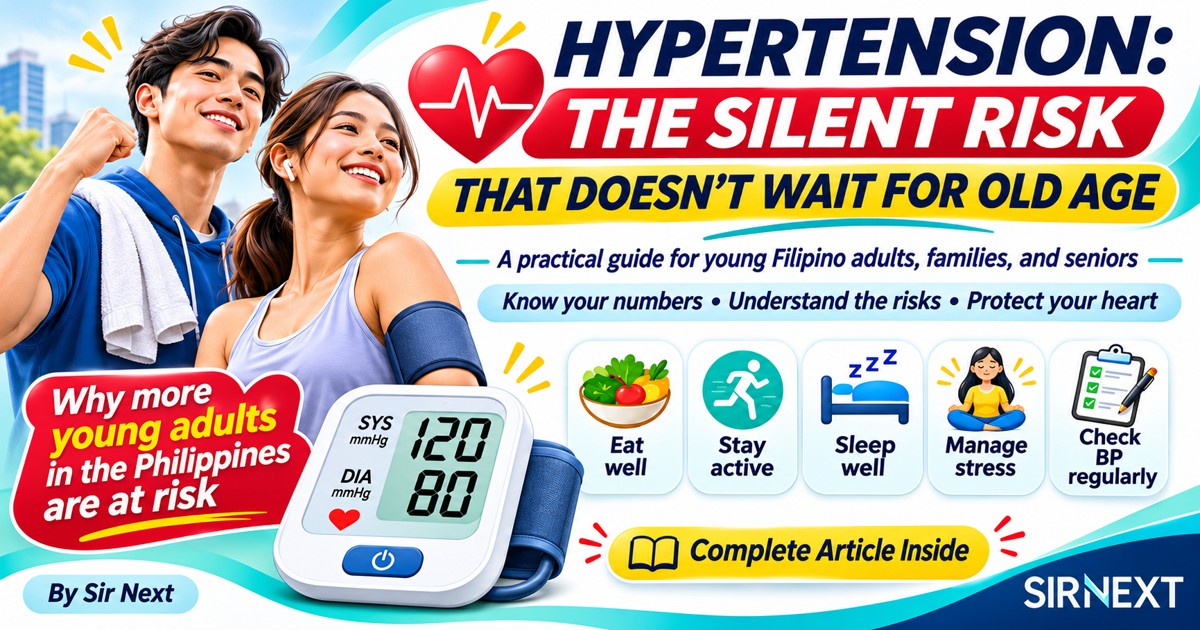
Hypertension: The Silent Risk That Doesn’t Wait for Old Age
Why young Filipinos need to understand blood pressure — and how consistent decisions can protect their hearts, brains, kidneys, and futures.
Quick Facts
Hypertension can have no symptoms. A single reading does not confirm a diagnosis. Keep taking prescribed medicines and discuss your readings with your clinician.
When to see a doctor and seek emergency care →When My Blood Pressure Reached 160/120, I Realized Success Means Little Without Health
I still remember what it feels like to look at a blood pressure monitor and see numbers you never wanted to see.
160/120.
Those numbers were frightening.
I was in my early 30s, building my career as a marketer, navigating deadlines, responsibilities, expectations, and the pressure to deliver. My days were filled with work. My mind was constantly occupied. There was always another project, another meeting, another problem to solve.
Like many young professionals, I was building my career and trying to make every opportunity count. But somewhere along the way, I was neglecting something just as important: my health.
I eventually learned that I had hypertension — high blood pressure. Stress, lifestyle, family history, and my eating habits were all factors I had to confront. The experience changed how I looked at work, success, and personal responsibility.
And it was not the last time I experienced alarming numbers. In more recent years, with a demanding schedule of events, projects, travel, and professional commitments, my blood pressure again reached approximately 150/110. That was another reminder that managing hypertension is not a one-time achievement. It requires continuing attention.
I am grateful that I received proper medical treatment at St. Paul Hospital, with the help of Dr. Richard James Oanil, whose care became an important part of my health journey. Today, I continue managing my condition with greater awareness and respect for professional medical care.
Personal moments from my health journey
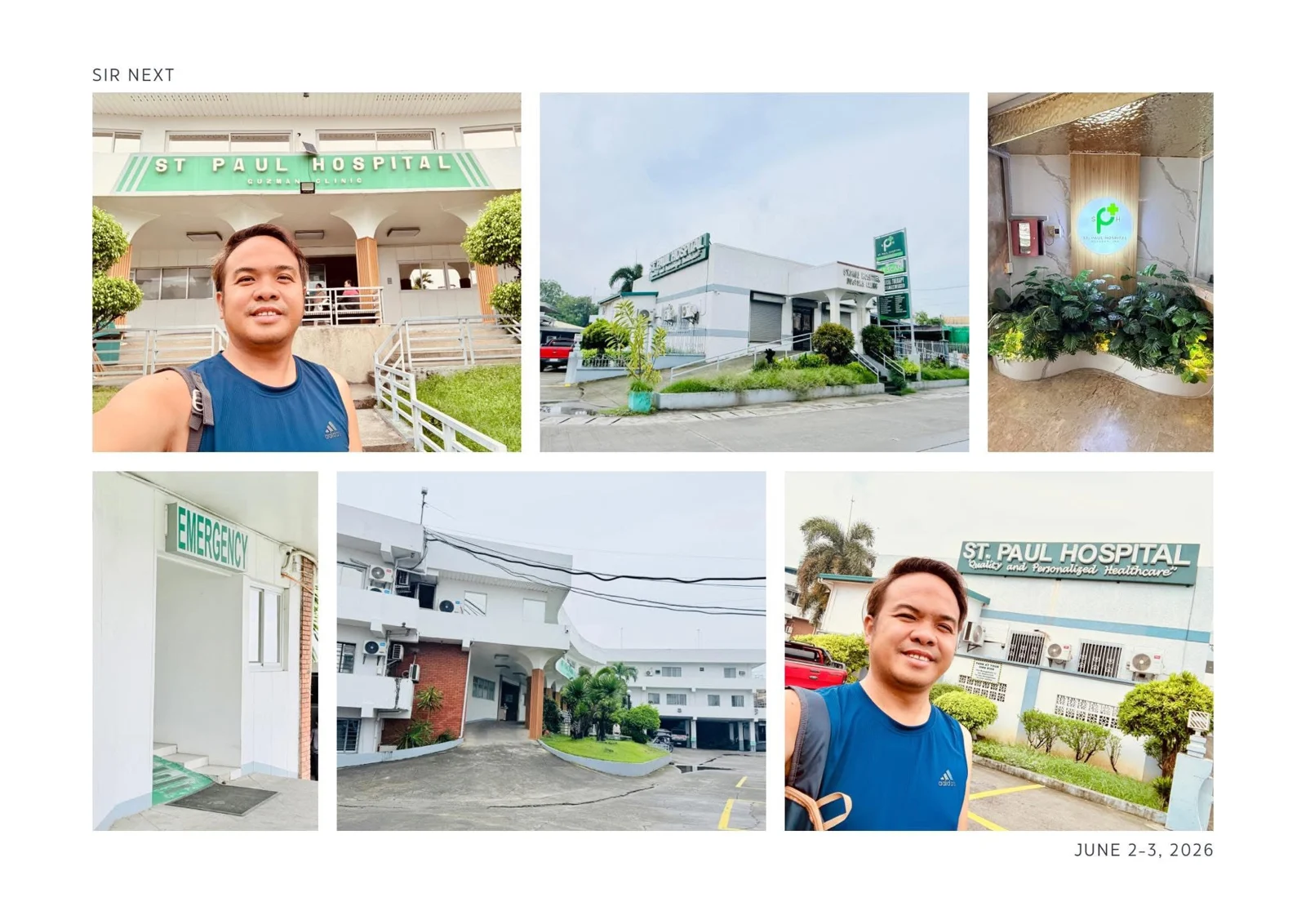
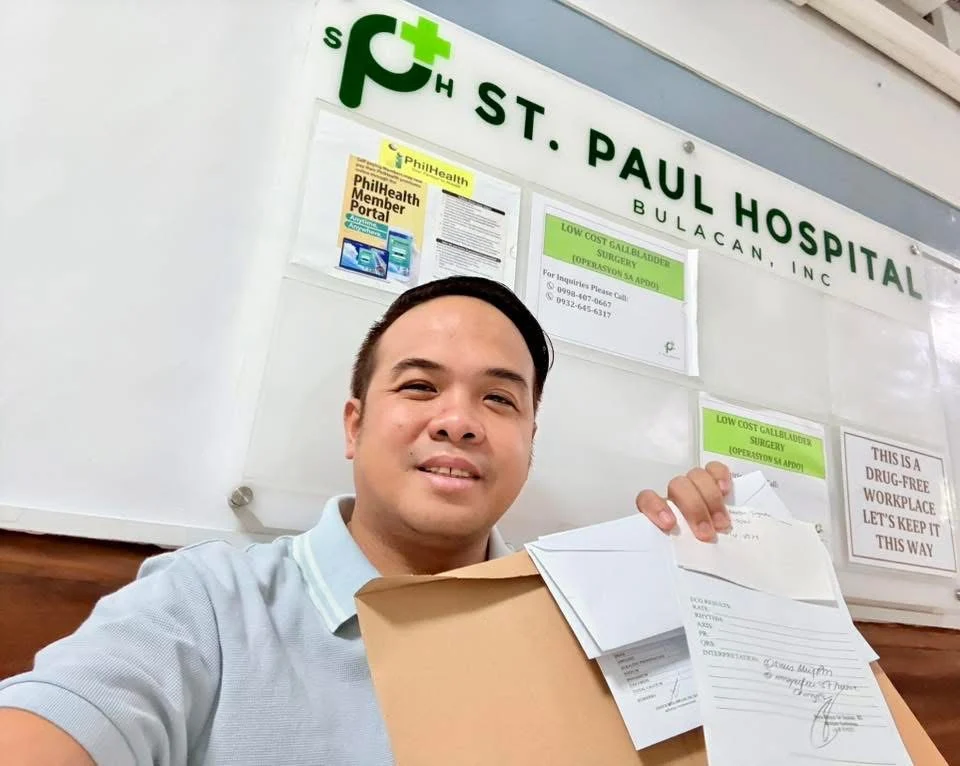
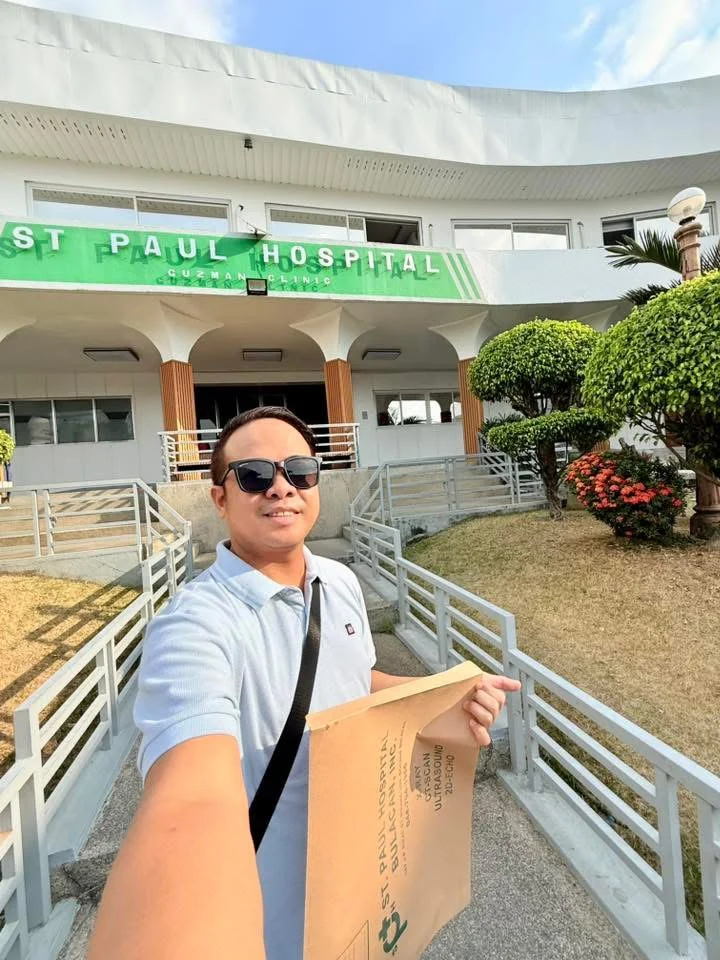
I am sharing this not because I discovered a miracle cure, but because I know what it is like to be young, busy, ambitious, and convinced that serious health problems are something to worry about later.
“I was busy taking care of my responsibilities, but I had to learn that taking care of my health was also one of my responsibilities.”
— Sir Next
High blood pressure does not wait for retirement. It can begin while you are still building your dreams. And the earlier we understand it, the better our opportunity to prevent serious complications.
1. What exactly is hypertension?
Imagine your heart as a powerful pump and your blood vessels as an extensive network of roads. Every time your heart beats, it pushes blood through these vessels, carrying oxygen and nutrients throughout the body. Blood pressure is the force exerted by circulating blood against artery walls.
When pressure remains too high over time, it places additional strain on the heart and blood vessels. This can gradually damage organs even when a person feels well. That persistent elevation is called hypertension. [1, 3]
Understanding the two numbers
Systolic (top number): the pressure when the heart contracts and pumps blood. Diastolic (bottom number): the pressure when the heart relaxes between beats. Blood pressure is measured in millimeters of mercury (mmHg).
Adult blood pressure categories
| Category | Systolic (mmHg) | Diastolic (mmHg) |
|---|---|---|
| Normal | Below 120 | AND below 80 |
| Elevated | 120–129 | AND below 80 |
| Stage 1 hypertension | 130–139 | OR 80–89 |
| Stage 2 hypertension | 140 or higher | OR 90 or higher |
| Severe hypertension | Above 180 | AND/OR above 120 |
If either number falls in a higher category, the reading generally takes that higher category. A single reading does not establish a diagnosis. This table follows the 2025 American Heart Association (AHA) guideline; WHO and several other systems commonly use 140/90 mmHg as the diagnostic threshold. [3, 5, 6]
Is normal BP different for seniors?
For most adults, including seniors, the AHA normal category remains below 120/80. Blood pressure tends to rise with age, but high readings are not automatically “normal for age.” Treatment targets may be individualized for frailty, falls, other illnesses, and medication tolerance. Children require age-, sex-, and height-based assessment.
2. The Philippine reality: Young adults are affected, too
The Philippine Heart Association’s PRESYON-5 survey (conducted in April–May 2026; published August 2026) reported hypertension prevalence of 13.5% among Filipino adults aged 20–29, 24.6% among those aged 30–39, and 33.7% among adults overall. Its definition used a BP threshold of at least 140 systolic or 90 diastolic, so do not directly compare these figures with studies using the 130/80 AHA classification. [1]
| Philippine indicator | Estimate | Source |
|---|---|---|
| Age 20–29 with hypertension | 13.5% | PRESYON-5, 2026 |
| Age 30–39 with hypertension | 24.6% | PRESYON-5, 2026 |
| All adult respondents with hypertension | 33.7% | PRESYON-5, 2026 |
| Filipinos aged 30–79 living with hypertension | ~16.8 million (2024) | WHO 2025 Philippines profile |
| Filipinos aged 30–79 with controlled BP | ~19% (2024) | WHO 2025 Philippines profile |
The authors reported particularly low awareness among younger hypertensive adults. In the 20–29 age group, 10.8 percentage points of the 13.5% estimated to have hypertension were classified as unaware. [1]
Important context: PRESYON-5 found a lower overall prevalence than the preceding PRESYON-4 survey (roughly 34% versus 37%). The latest evidence supports saying the burden remains substantial among young adults; it does not establish a continuously rising national prevalence over time. [1]
WHO estimated that about 16.8 million Filipinos aged 30–79 lived with hypertension in 2024 and that only about 19% had their blood pressure controlled. These estimates underscore the importance of finding hypertension early and sustaining care. [2]
DID YOU KNOW? WHO estimated that roughly 1.4 billion people globally were living with hypertension in 2024, with only about one in five achieving control. [4]
3. Why hypertension is called the “silent killer”
Someone can be attending meetings, traveling, exercising, or enjoying a meal with friends while having dangerously elevated blood pressure. Many people with hypertension experience no recognizable symptoms; the reliable way to detect it is to measure it. [3]
Symptoms that should never be ignored
- Chest pain or pressure
- Shortness of breath
- Sudden weakness, facial droop, numbness, or difficulty speaking
- Sudden vision loss or changes
- Severe headache, confusion, or alarming neurological symptoms
Headaches, dizziness, and nosebleeds are not reliable screening indicators on their own. Severe symptoms may signal stroke, heart attack, or another emergency even if a BP measurement is unavailable. [3, 6]
What can uncontrolled hypertension damage?
| Organ/system | Possible complications |
|---|---|
| Brain | Stroke, vascular injury, cognitive problems |
| Heart | Heart attack, coronary disease, heart failure |
| Kidneys | Progressive kidney damage and impaired filtration |
| Eyes and arteries | Retinal damage, vision loss, blood vessel disease |
The goal is not merely to obtain a good reading today. It is to protect organs for the decades ahead. [3, 4]
4. Why does blood pressure go up?
For most people, hypertension develops from interacting genetic, environmental, medical, and behavioral factors rather than one single cause. [3, 5]
Risk factors you can influence
- Excess sodium from processed food, instant noodles, salty condiments, and restaurant dishes.
- Limited movement and prolonged sitting.
- Dietary patterns low in produce and whole grains and high in calories or saturated fat.
- Excess weight and associated metabolic risk.
- Smoking and vaping; nicotine can raise BP and tobacco damages blood vessels.
- Excess alcohol intake.
- Inadequate sleep and conditions such as obstructive sleep apnea.
- Chronic stress, which may temporarily raise BP and encourage poor sleep or unhealthy coping habits.
Risk factors requiring greater vigilance
Family history, age, kidney disease, diabetes, and other medical conditions can affect risk. In some younger adults, clinicians investigate secondary hypertension caused by underlying conditions or medications. Genetics affect risk but do not make prevention futile. [3, 5]
“You may not choose your genes, but many of the habits surrounding those genes are still within your influence.”
— Sir Next
5. The young Filipino professional’s hypertension trap
Imagine a typical demanding day: five hours of sleep, a sweet coffee on the commute, hours at a desk, fast food for lunch, traffic, then additional work at night. It is not evidence that any individual schedule causes hypertension, but it illustrates how recognized risks can accumulate.
Feeling young can create false reassurance, sedentary schedules may crowd out exercise, and people often associate strokes or heart attacks only with older generations. Routine screening is therefore particularly important.
In PRESYON-5, Filipino physician-researchers Dr. Jorge A. Sison, Dr. Marc Denver Tiongson, and Dr. Raymond V. Oliva found that younger adults with hypertension were more likely to be unaware of their condition than people over 50. Their findings support earlier detection and sustained management. [1]
WHO Director-General Dr. Tedros Adhanom Ghebreyesus stated in September 2025: “Every hour, over 1000 lives are lost to strokes and heart attacks from high blood pressure, and most of these deaths are preventable.” [4]
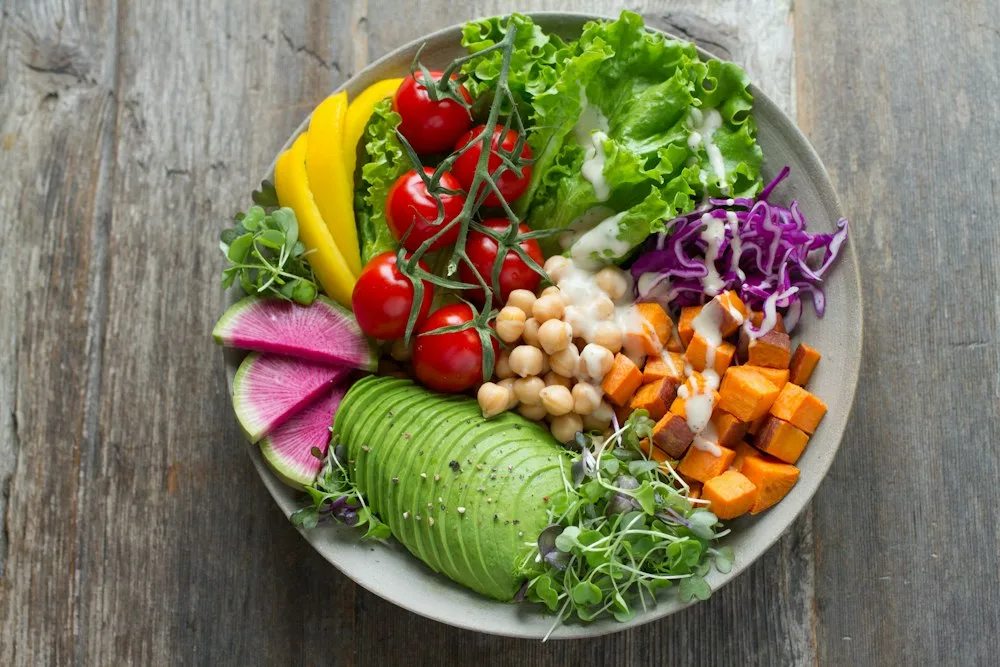
6. Eat smart: A Filipino-friendly DASH guide
DASH means Dietary Approaches to Stop Hypertension. The NIH-developed eating pattern emphasizes vegetables, fruits, whole grains, legumes, nuts, lower-fat dairy, fish, poultry, and healthy fats while limiting excess sodium, added sugar, and saturated fat. [8, 9]
Choose more often
| Food group | Accessible examples |
|---|---|
| Leafy vegetables | Pechay, kangkong, malunggay |
| Vegetables | Kalabasa, talong, carrots, broccoli |
| Fruit | Banana, papaya, guava, orange |
| Whole grains | Oats, brown rice, whole-wheat bread |
| Beans and legumes | Monggo, chickpeas, beans |
| Lean protein | Fish, skinless chicken, tofu |
| Dairy | Low-fat milk, plain yogurt |
| Healthy fats | Unsalted nuts, seeds, olive/canola oil |
| Beverages | Water, unsweetened tea |
Limit or eat less frequently
Reduce salty instant noodles, chips, processed meats, very salty sauces, deep-fried fast-food meals, sugary beverages, and pastries. White rice is not prohibited; portions and the total meal pattern matter.
Filipino food swaps
- Instant noodles → homemade vegetable soup with less salt and fewer seasoning powders.
- Sugary soda → water or unsweetened tea.
- Salty chips → modest portions of unsalted nuts.
- Heavy soy sauce or patis → use smaller amounts and flavor dishes with calamansi, ginger, garlic, onion, and herbs.
How much sodium?
AHA guidance recommends no more than 2,300 mg sodium daily for adults, with a 1,500 mg ideal target for many adults, especially those with high BP. WHO recommends under 5 g salt per day as a population target. Sodium on labels is not identical to the weight of table salt. [8, 9]
Potassium-rich foods can support BP management. However, people with kidney disease, potassium disorders, or medicines that affect potassium must consult their clinician before increasing potassium intake substantially or trying potassium-containing salt substitutes. [10]
7. What should you drink?
| Drink | What to know |
|---|---|
| Water | Good everyday choice for most people |
| Unsweetened tea | Avoids added sugar |
| Low-fat milk | Fits the DASH pattern |
| Low-sodium tomato juice | Check the nutrition label |
| Coconut water | Contains potassium; use appropriate portions and heed kidney restrictions |
| Beet juice | Nitrates may have BP effects; not established as a replacement treatment |
| Hibiscus tea | Some research suggests modest benefit; not a cure |
| Pomegranate juice | Choose unsweetened options and modest portions |
No drink should be presented as a cure or a substitute for prescribed medication. Herbal products may interact with medicines. Caffeine can cause transient BP increases in some people; avoid it for at least 30 minutes before measuring blood pressure, and discuss sensitivity with a clinician. [7, 8, 9, 10]
8. Nine habits that help control blood pressure
- Follow a DASH-style eating pattern and gradually reduce sodium.
- Aim toward 150–300 minutes of moderate aerobic activity per week, as medically appropriate.
- Add muscle-strengthening activities at least twice a week, after medical clearance if needed.
- Work toward sustainable weight management if appropriate.
- Protect sleep; many adults need approximately 7–9 hours nightly.
- Manage stress with breaks, breathing, reflection, prayer, and more realistic boundaries.
- Avoid smoking and vaping; limit or avoid alcohol.
- Measure and record blood pressure correctly and consistently.
- Take prescribed medications exactly as directed; never change them based on a single good reading.
WHO physical activity guidance, the AHA Life’s Essential 8 framework, and the AHA 2025 hypertension guideline support these measures. Individuals with severe uncontrolled hypertension should obtain medical guidance before strenuous activity. [5, 11, 12]
9. How to monitor blood pressure at home
- Use a validated automated upper-arm monitor and correct cuff size.
- Avoid caffeine, smoking, and exercise for at least 30 minutes before checking.
- Empty your bladder; rest quietly for five minutes.
- Sit with back supported, feet flat, and legs uncrossed.
- Support the bare upper arm at heart level.
- Take two readings at least one minute apart without talking.
- Record the numbers and show your log to a healthcare professional.
Your clinician can recommend a monitoring schedule; morning and evening readings over several days are often used when assessing possible hypertension or treatment adjustments. [7]
Printable blood pressure diary
| Date | Time | Systolic | Diastolic | Symptoms / Notes |
|---|---|---|---|---|
10. When to see a doctor — and when it is an emergency
Repeated readings at or above 130/80 warrant a clinician’s assessment under AHA guidelines; repeated readings at or above 140/90 generally require prompt evaluation and commonly lead to medication plus lifestyle treatment after hypertension is confirmed. Personal risk and other medical conditions affect treatment decisions. [5, 6]
Readings such as 150/110 or 160/120 are seriously elevated. Do not dismiss them as “just stress” or attempt to lower them rapidly using someone else’s medication or unverified home remedies. Seek timely medical assessment.
EMERGENCY: If systolic pressure is above 180 and/or diastolic above 120 and you also have chest pain, difficulty breathing, new weakness/numbness, vision change, trouble speaking, or other acute warning signs, seek emergency medical care immediately. Do not wait for a repeat reading when severe symptoms are present. Possible stroke or heart attack symptoms are emergencies even without a BP reading. In the Philippines, call 911. [6, 7]
If BP is above 180 systolic and/or 120 diastolic without warning symptoms, rest, recheck after at least one minute, and promptly contact a health professional if it remains severely elevated. A true hypertensive emergency is determined by acute organ damage as well as clinical findings, not a number alone. [5, 6, 7]
11. Medication matters, even when you feel better
Blood pressure medicines can be vital to preventing stroke, heart attack, heart failure, and kidney damage. Depending on the person, a physician may prescribe ARBs, ACE inhibitors, calcium-channel blockers, or thiazide-type diuretics. Choice depends on pregnancy considerations, kidney function, cardiovascular risk, medication effects, and other factors. [5]
Normal readings during treatment may mean the medicine is working. Do not stop or reduce medication without consulting the prescribing clinician. Tell your care team if you experience side effects or cannot afford treatment; adjustments may be possible.
12. How families, employers, seniors, and communities can help
Parents can normalize screening, encourage balanced meals, and share relevant family history. Seniors can help younger people see health as a responsibility today, not a concern for retirement. Employers can support breaks, access to water, movement, and appropriate occupational screening. Schools, churches, and community groups can organize voluntary BP education and screening with qualified professionals.
“Leadership is not only about how much we accomplish. It is also about how responsibly we protect the lives entrusted to us — including our own.”
— Sir Next
13. Faith, stewardship, and caring for the body
As a Christian, this health journey reminds me of 1 Corinthians 6:19–20, where Paul describes the believer’s body as a temple of the Holy Spirit and calls believers to honor God with their bodies. The passage has a broader spiritual context, but it invites reflection on stewardship.
In 3 John 1:2, John expresses a desire for the recipient’s well-being and health. It is not a promise that faithful Christians will never experience illness. It is an encouragement to value well-being alongside spiritual growth.
We can pray for healing and seek medical treatment. We can trust God and take prescribed medicine. We can serve others while acknowledging our physical limitations. Faith and responsible healthcare can work together.
14. Five facts worth sharing
15. A seven-day heart-health reset
This is not a seven-day cure. It is a practical starting point that complements prescribed treatment and medical advice.
- Check your BP and write down the results.
- Review the sodium in common meals and condiments.
- Add vegetables and fruit to regular meals.
- Take an appropriate walk or activity break.
- Set a realistic sleep schedule.
- Plan breaks, reflection, prayer, and stress-management time.
- Review your BP log; arrange clinical follow-up when needed.
16. Frequently asked questions
Can someone in their 20s develop hypertension?
Yes. PRESYON-5 documented hypertension in Filipino adults aged 20–29. [1]
Is 130/80 already high?
Under AHA 2025 categories, sustained 130/80 meets Stage 1 classification. WHO and some other systems use 140/90 as a diagnostic threshold. [3, 5]
Is 140/90 dangerous?
It is clinically important and repeated readings warrant assessment and a treatment plan. [5]
Can stress alone cause hypertension?
Stress can temporarily increase BP and affect habits; do not attribute persistent hypertension to stress without evaluation.
Must I stop eating rice?
No. Rice can fit a balanced diet; portions and the overall DASH-style pattern matter. [8]
Can I drink coffee?
Some people tolerate moderate caffeine, while others experience a temporary rise; ask your clinician if BP is uncontrolled.
Do garlic, calamansi, coconut water, or teas cure hypertension?
No. They are not established replacements for prescribed treatment.
Can I exercise with high BP?
Usually physical activity helps, but severe uncontrolled BP or symptoms merit medical evaluation before strenuous exercise. [5, 11]
Can hypertension disappear completely?
BP may improve markedly, but do not assume normal readings mean a permanent cure or stop medicine independently.
Is it hereditary?
Family history increases susceptibility; prevention and management remain worthwhile. [3]
Is higher BP normal for seniors?
No. Treatment goals may be tailored, but high BP is still clinically meaningful.
How often should I monitor?
Frequency depends on risk, diagnosis, and treatment; follow the schedule advised by your clinician. [7]
17. Join the advocacy: Know your numbers. Protect your future
Looking back at my early-30s experience and later readings, I see how easily we postpone health until it demands our attention. I cannot change the past, but I can use what I learned to encourage others to act sooner.
Perhaps you are a 24-year-old employee who has never checked BP; a 35-year-old executive who thinks stress is simply part of success; a parent who wants to remain present for the family; or a senior citizen seeking encouragement to continue care. Whoever you are, do not wait for warning signs before valuing your health.
Check your numbers. Understand your risks. Make healthier decisions. Seek professional care. Invite someone you love to check their blood pressure. Leaders can help make screening and education accessible in workplaces and communities.
“Your dreams deserve a healthy heart. Your family deserves your presence. And your future deserves the care you begin giving yourself today.”
— Sir Next
To God be the glory.
Nestor “Sir Next” Layderos | Sir Next: Tech + Consultancy | www.sirnext.com
Medical disclaimer: This article provides general education, not personalized diagnosis, medical advice, or treatment. Seek qualified medical care for elevated readings, illness, or concerning symptoms.
References & source links
- Philippine Heart Association / Philippine Journal of Cardiology — PRESYON-5 (2026)
- WHO — Hypertension Country Profiles (2025), Philippines
- WHO — Hypertension fact sheet
- WHO — Uncontrolled high blood pressure report (September 2025)
- AHA — 2025 High Blood Pressure Guideline: Top Things to Know
- AHA — Understanding Blood Pressure Readings
- AHA — Home Blood Pressure Monitoring
- NIH/NHLBI — DASH Eating Plan
- NIH/NHLBI — Living With DASH
- AHA — How Potassium Can Help Control High Blood Pressure
- WHO — Physical Activity
- AHA — Enjoy a Good Night’s Sleep
Continue reading
Explore more Random Thoughts by Sir Next or read Trust: The New Currency.
Back to top ↑
Loading comments…